How an IV infusion works
Intravenous nutrient therapy delivers essential vitamins, minerals and hydration directly into the bloodstream, bypassing the digestive tract. That direct route increases immediate nutrient availability compared with oral intake and is chosen when quicker, clinic-based delivery is preferred. Because it requires venous access and professional administration, clients weigh convenience and clinic visits against potential benefits when deciding on this option.
A licensed practitioner conducts a brief assessment to determine whether IV therapy is an appropriate fit. That assessment guides which nutrients and how much hydration are recommended. The procedure is performed in a clinic setting where staff monitor the infusion and the client’s response, balancing potential gains against the need for clinical oversight and individualized planning.
What to expect during visits
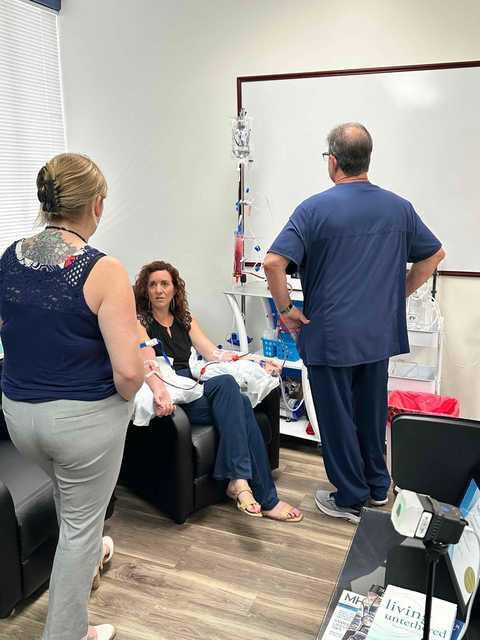
Appointments begin with a short health review and consent process so the team understands medications, conditions and goals. A trained practitioner places a small IV line and monitors you while nutrients and fluids are administered in a comfortable treatment chair. The clinic near North Tatum Boulevard is convenient for commuters and offers schedule-friendly windows for school drop-off, lunch breaks, and early-evening appointments.
Many clients arrange sessions before or after outdoor activities like hikes at Piestewa Peak or rounds of golf in North Scottsdale, and staff will discuss timing and recovery expectations. Typical immediate sensations may include mild vein tenderness or a temporary change in feeling; the practitioner stays nearby to address questions and any minor reactions during and after the visit.
Factors that shape results
Individual factors such as baseline hydration, nutrient status, overall health and recent activity influence how someone feels after therapy. Local climate also matters: Phoenix’s hot, arid summers and monsoon season make hydration a common focus for residents. The clinic’s busiest months — winter for immunity and post-holiday recovery and mid-summer for dehydration prevention — reflect seasonal needs in this region.
Appropriateness and expected response are determined through clinical screening; not every person is an ideal candidate. IV therapy is one component of a broader wellness plan, so the practitioner will discuss how it fits with diet, supplements, medications and any ongoing care before recommending a schedule or course of treatments.